

If your child isn’t in an afterschool program, you’re not alone. The main barriers to afterschool program participation are cost, too few available programs and a lack of safe transportation, according to a 2021 national parent survey.
This page sits within the wider topic of access to afterschool and summer learning, which looks at who can reach programs and why some families cannot.
| Item | Value |
|---|---|
| Children in afterschool programs (2019) | 7.8 million |
| Children waiting for a spot for every child enrolled (2019) | Three more (an additional 25 million students) |
| Parents with low income who say cost is a barrier | 61 percent |
| Black children not enrolled who would join if a program were available | 58 percent |
| Hispanic children not enrolled who would join if a program were available | 55 percent |
These figures come from the Wallace Foundation’s summary of the America After 3PM report. Survey figures can change with each new edition, so check the source before you rely on them.
What the national survey found
The most-cited national evidence comes from America After 3PM, a nationally representative survey of parents and guardians run by the Afterschool Alliance and Edge Research. The fourth edition was published in March 2021, according to the Wallace Foundation’s report page. It reached 31,000 respondents, as The 74 reported in December 2020.
The report names three barriers that keep children out of programs:
- Cost of enrolling a child.
- A lack of programs available nearby.
- A lack of safe transportation to and from programs.
The scale of unmet demand is large. For every child enrolled in 2019, three more were waiting to get in, and 7.8 million children took part, as the Wallace Foundation summary explains.
Families who do enrol tend to be happy with the result. Fully 94 percent of parents reported satisfaction with their child’s afterschool experience, per the same report summary. That points to access, not appeal, as the main problem.
How cost keeps children out of programs
More than half of the 31,000 respondents said cost is what keeps their children out of afterschool programs, which average about $100 per week, The 74 reported. Among parents with low income, 61 percent said cost is a barrier, according to the Wallace Foundation summary.
The gap in family spending is wide. Families in the highest income bracket spent more than five times as much on out-of-school activities as families in the lowest bracket, roughly $3,600 versus $700 per year, the report summary says.
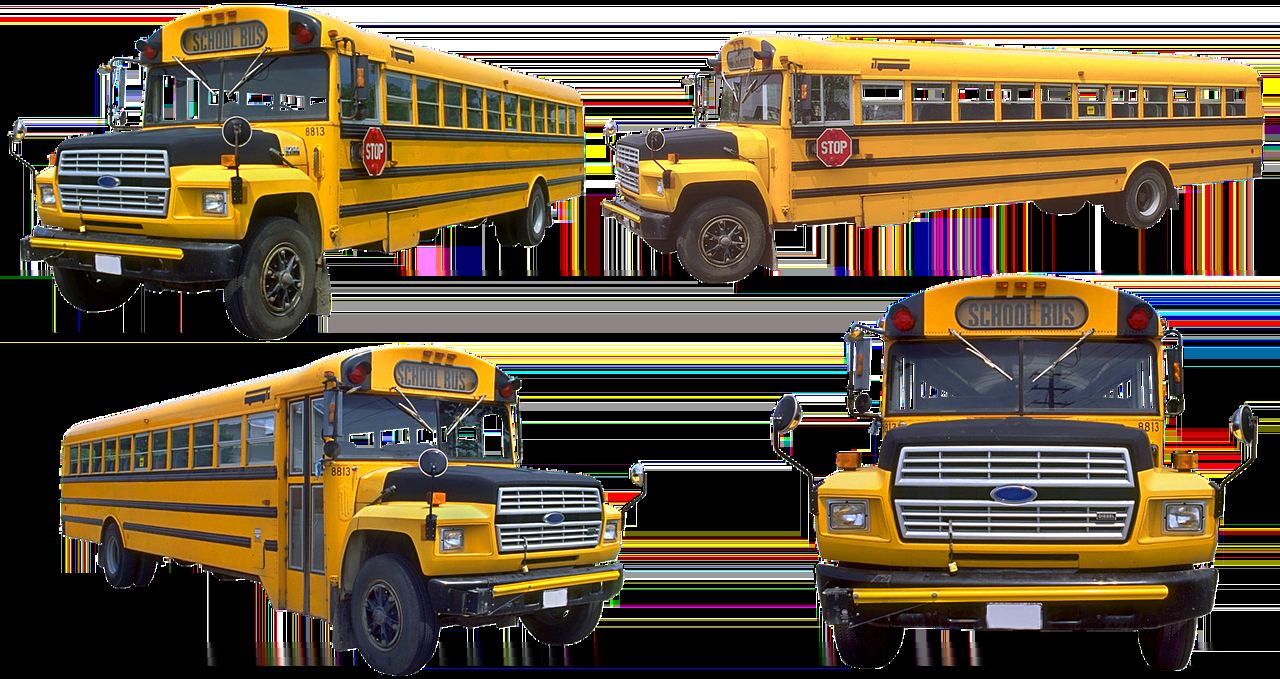
Availability and transportation
Cost is only part of the picture. The 74 described a lack of transportation and of available programs in neighborhoods as other common barriers in its December 2020 coverage.
An Afterschool Alliance interview published by the Wallace Foundation adds a trend.
Public money matters here too. The same article says publicly funded efforts such as the federal 21st Century Community Learning Centers are not keeping up with demand, and the report summary adds that 87 percent of parents favor public funding for programs in communities with few opportunities. Both points are in the Wallace Foundation article and the report summary.
Who is most affected by these barriers?
Unmet demand is highest in Black and Hispanic communities. More than half of Black children (58 percent) and Hispanic children (55 percent) are not enrolled but would be if a program were available to them, according to the Wallace Foundation summary.
Income shows up in the participation numbers as well. The number of children from low-income households in afterschool fell from 4.6 million in 2014 to 2.7 million in 2020, while the number of higher-income children fell by just under 450,000. Those figures are in the Wallace Foundation article.
The same source says the Afterschool Alliance is concerned that low-income families who once managed to pay for programs can no longer do so. In other words, price pressure may be pushing out families who were previously enrolled.
Do rural and urban families face different barriers?
An older survey suggests they do. A 2009 survey of nearly 30,000 parents and guardians, covered by Youth Today in October 2010, found the lowest participation in rural areas (11 percent), compared with 13 percent in suburban areas and 18 percent in urban areas.
The same coverage listed the barriers parents gave for not enrolling:
- More than one-third cited a lack of transportation.
- About half of low-income parents cited cost.
- 57 percent of rural parents cited limited program options.
- 17 percent of urban parents were concerned about safety, and 35 percent lacked a convenient location.
These figures describe 2009 and may not match today’s picture, so treat them as a pattern rather than a current measure. A separate guide to rural afterschool programs access looks at the rural setting in more detail.
Where programs are adapting
As of The 74’s December 2020 report, some providers were expanding into hubs and pods for students during remote learning. This was a response to pandemic school closures rather than a fix for cost or transport, as The 74 described.
Models that run longer or all-day schedules overlap with extended learning time in schools, which is a related way of adding learning hours for students.
Frequently asked questions
What are the main barriers to afterschool program participation?
Show answer
The America After 3PM report lists cost, a lack of available programming and a lack of safe transportation to and from programs, per the Wallace Foundation summary.
How many children are waiting for a spot?
Show answer
For every child enrolled in 2019, three more were waiting to get in, an additional 25 million students, according to the Wallace Foundation summary.
Do parents who use programs like them?
Show answer
Mostly yes. Satisfaction was high in the survey, and 87 percent of parents also favored public funding for programs in communities with few opportunities, per the report summary.
Are these figures up to date?
Show answer
The main survey was published in March 2021, so newer editions may show different numbers. The rural and urban comparison comes from a 2009 survey, so check the sources before you rely on any figure.