
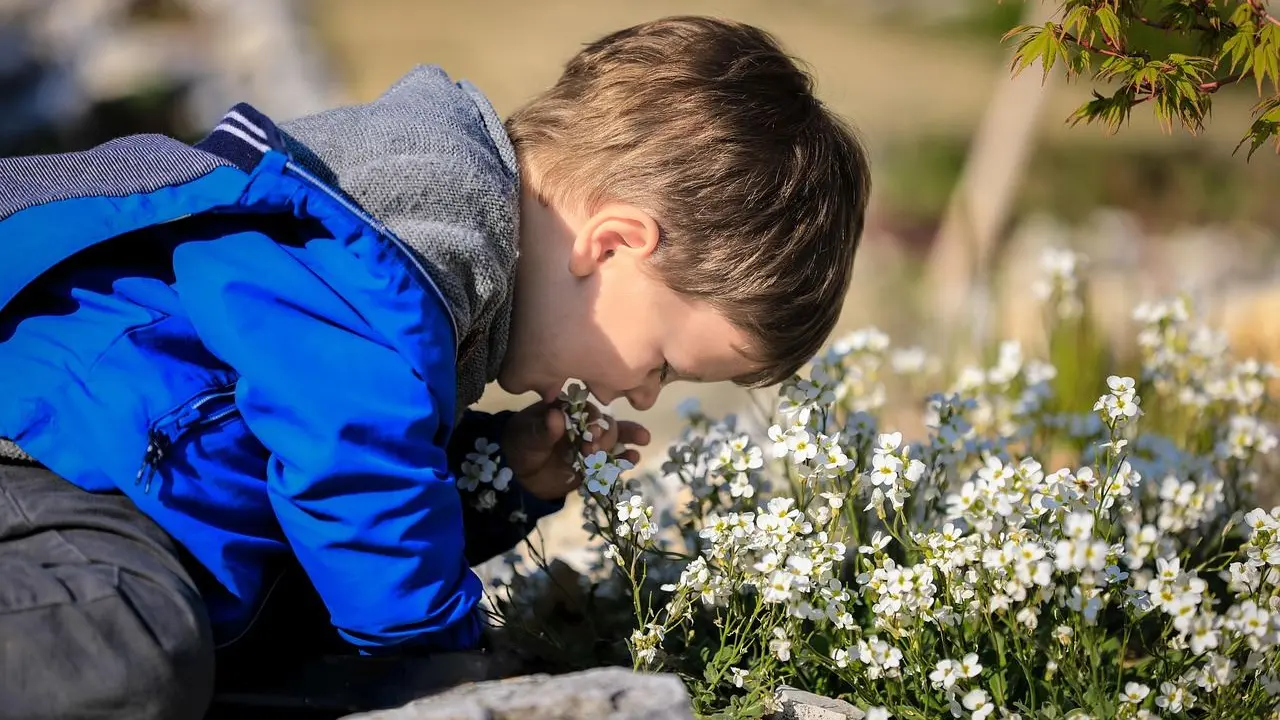
Worried your child will lose ground over the break? Outdoor summer learning activities such as rock math, nature art and scavenger hunts turn a backyard or park into a classroom, and need almost no supplies.
If you are planning beyond the holidays, the guide to afterschool activities for kids covers the wider picture.
| Item | Value |
|---|---|
| Loss range cited for preschool and elementary children | One to three months |
| Areas of greatest loss named | Early reading fluency and foundational math |
| Sample in a nature-based summer preschool study | 69 preschoolers and 15 caregivers |
| Study publication date | 15 December 2023 |
The learning-loss range comes from Celebree School, and the study details from Springer. These figures can change, so check the source before you rely on them.
Why take learning outside in summer?
Summer learning loss, sometimes called the summer slide, is the drop in school skills that can happen during a long break. Sanford Health notes that some research suggests children can lose about one month of learning on average. Celebree School cites a wider range of one to three months for preschool and elementary children, mostly in early reading fluency and foundational math.
Outdoor time gives children a low-cost way to keep their minds busy. Oxford Learning, a tutoring provider, says children should get at least 60 minutes outside a day for mental and physical health. Treat that as a general guideline from a company blog, not a rule.
Learning outdoors does not have to mean worksheets in the sun. The guide to summer learning activities for kids adds more ideas that mix indoor and outdoor play.
Five nature-based activities for Grades 1-6
The Canadian parent-education site Alloprof publishes five nature-inspired activities for Grades 1-6. Each one uses things you can find on a walk.
- Land art. Land art is an artistic movement that uses natural materials or sites. Children arrange pebbles, branches and leaves, and you can give them a theme such as spirals or shades of grey.
- Mushroom observation. Children photograph, count, draw and describe the mushrooms they find, then look them up in books or online.
- Rock math. Children collect small rocks in a basket, make two small piles, then add or subtract them and check the answer by gathering the rocks into a third pile.
- Nature riddles. Describe an object in clear view outside and ask your child to guess it, for example a small, brown, prickly pine cone.
- Smell identification. Fill jars with moss, dirt or grass, and ask your child to sniff each one and describe it with words such as sweet, peppery, earthy or fresh.
The smell game is aimed at vocabulary, which Alloprof links to stronger writing. The riddles and rock math keep the brain working, and Alloprof states that studies have shown an active brain can help prevent summer learning loss.
One safety point matters for the mushroom activity: Alloprof says only an expert can determine which mushrooms are edible, so children should look, photograph and draw, never taste.
If land art sparks interest, the guide to afterschool arts and crafts for kids has more making ideas.
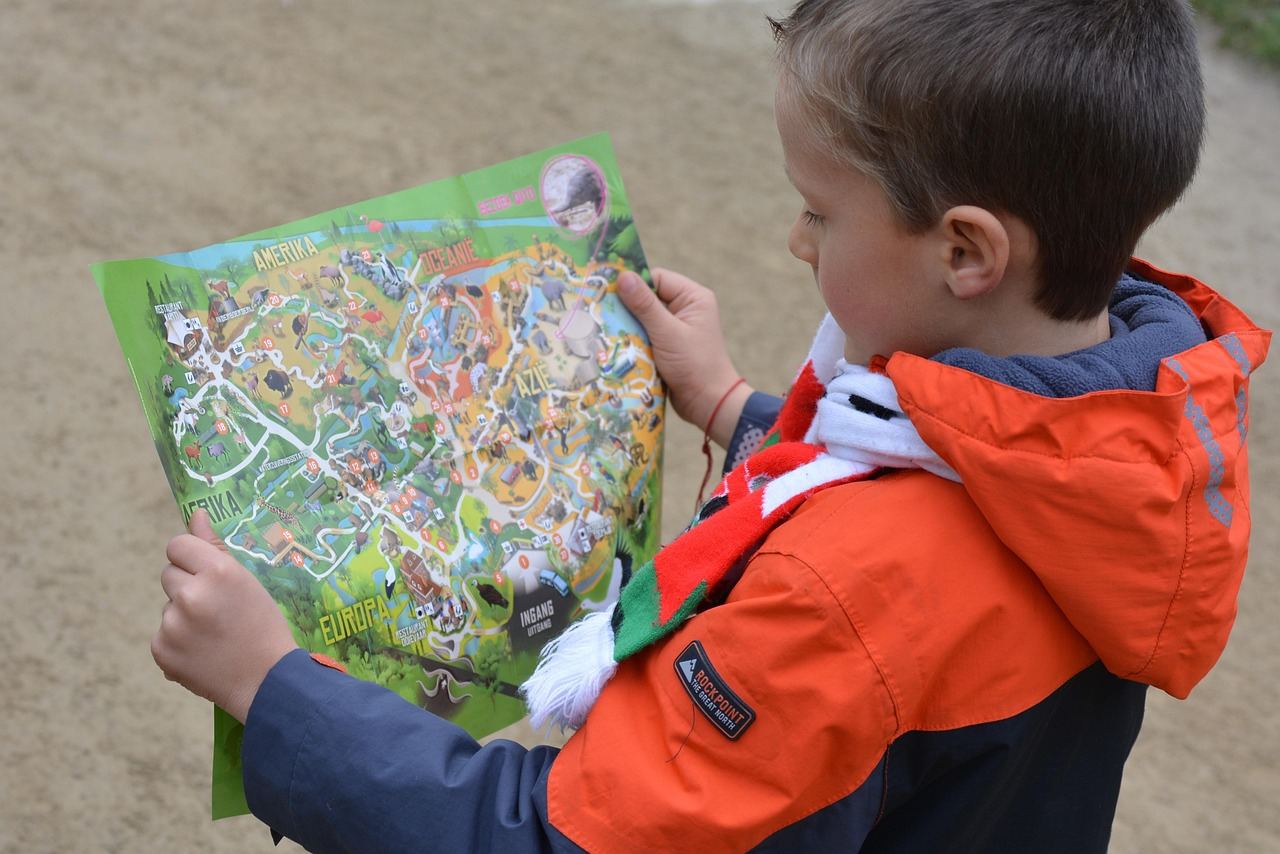
Backyard and neighborhood ideas
You do not need a forest. Sanford Health suggests simple outdoor activities that pair a science or math idea with movement:
- Firefly hunt: read about fireflies, then grab a jar at night and look for answers to questions such as what they eat and why they light up.
- Rock collection: walk, collect, and sort rocks into smooth, rough and different colors.
- Kite flying: on a windy day, talk about how the wind keeps the kite in the air.
- Picnic planning: let your child help choose healthy foods and portion them, which practices math.
- Container garden: grow tomatoes, peppers and carrots in large flowerpots, and learn about responsibility and the life cycle of vegetables.
Celebree School adds a few more that suit younger children:
- Nature scavenger hunt: list items such as pinecones, feathers or flower colors to find.
- Gardening together: plant seeds, water daily and observe changes.
- Story stones: paint small rocks with pictures, then let children draw stones at random and invent stories from them.
What does research say about nature-based summer programs?
Evidence on nature-based summer programs is still growing, and it is mostly about younger children. A study in the Journal of Outdoor and Environmental Education, published in December 2023, looked at a short-term, nature-based summer preschool program. It analyzed observations, literacy tests, surveys and caregiver interviews from 69 preschoolers and 15 caregivers.
The researchers reported positive increases in social-emotional skills and appropriate academic development. They found no significant change in children’s connections to nature, and caregivers felt the program helped readiness.
The authors also state that more research is needed to find which factors drive positive outcomes. That is a useful caution: these activities are enjoyable and low-risk, but a small preschool study does not prove that any one activity prevents learning loss in older children.
Making outdoor learning part of the routine
Short, repeatable activities usually work better than one big outing. A simple plan could look like this:
- Keep a basket by the door with jars, a notebook and a bag for collecting rocks and leaves.
- Pick one activity for each outing, such as rock math at the park or a scavenger hunt at home.
- Let your child choose the theme or the question, then ask them to explain what they noticed.
- Finish with a few minutes of reading; Alloprof suggests sitting under a tree with an adventure story.
Rainy days and small spaces can still work. Smell jars, riddles and drawing a found object need only a porch or a window ledge, and the routine matters more than the location.
Frequently asked questions
Do outdoor activities really prevent summer learning loss?
Show answer
Parent-education sources say that keeping the brain active can help, and these activities do that. The research cited above is about preschoolers and does not prove prevention, so treat outdoor learning as one helpful habit alongside reading and everyday math.
How much time should children spend outside?
Show answer
Oxford Learning, a tutoring provider, says at least 60 minutes a day. Your child’s needs, the weather and local safety guidance may change what is practical.
What if I only have a small outdoor space?
Show answer
Choose activities that need little room. Nature riddles, smell jars and rock math can all happen on a balcony, a stoop or a patch of lawn.
Is it safe for children to handle wild mushrooms?
Show answer
Alloprof frames the activity as observation only. Children can photograph and draw mushrooms, but only an expert can determine which ones are edible, so nothing should be eaten.