
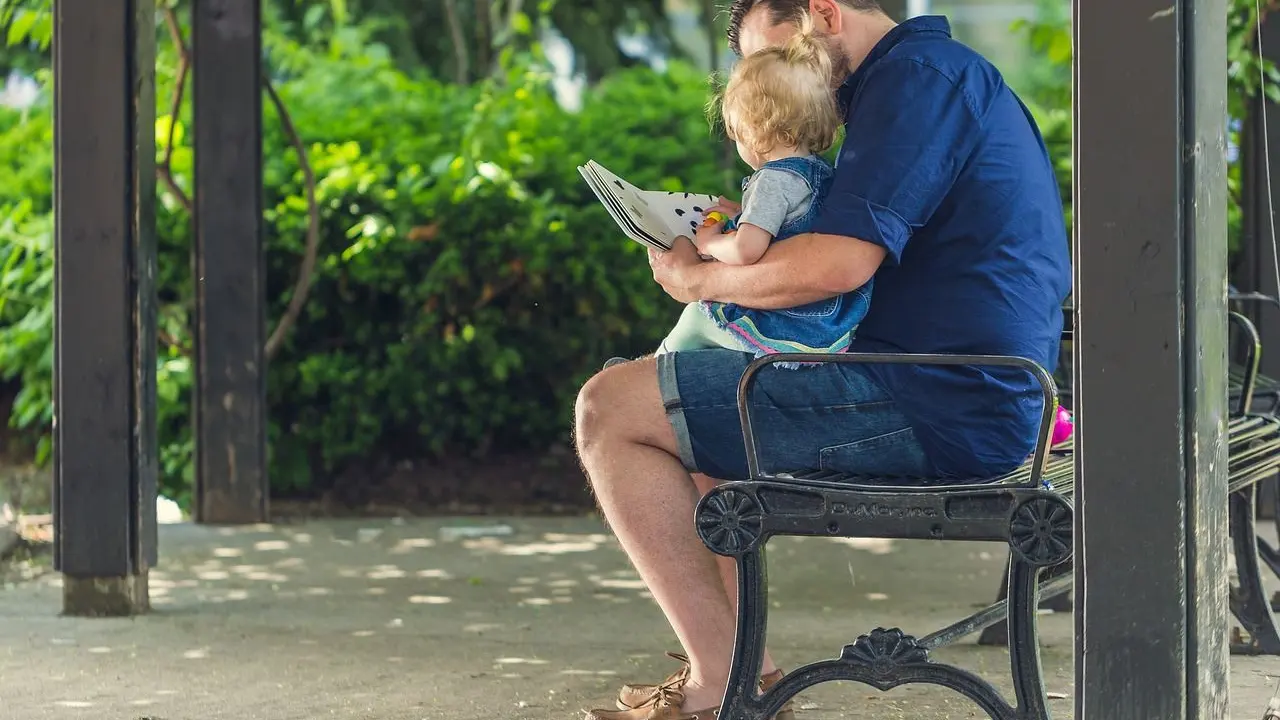
Worried your child will lose ground before the new school year? You can keep kids learning over summer break with short daily reading, everyday math and low-cost community programs, without turning vacation into school.
A structured option may suit your family too, and the guide on how to choose an afterschool program explains what to compare.
| Item | Value |
|---|---|
| Learning that some studies suggest is lost over summer | Up to a month of school-year learning |
| Share of the ninth-grade achievement gap tied to cumulative summer loss in one long-term study | About two-thirds |
| Children followed in that study | About 800 children |
| Funding sources that can support summer learning programs | More than 100 sources |
These figures come from a June 2023 news article and a June 2011 RAND release. They can change as new research appears, so check the source before you rely on them.
What does summer learning loss look like?
Summer learning loss, often called the summer slide, is the drop in skills some children show between spring and fall. RAND’s 2011 release said the loss is cumulative over a student’s career and widens the achievement gap between low- and upper-income students, according to the RAND release.
The picture is not simple. A 1996 meta-analysis reviewed 39 studies and found that achievement test scores declined over the summer, but by 2003 other research suggested the loss may be less widespread and uniform than first reported, as described in a literacy publisher’s research review. That review also summarised a 2019 finding that nearly all children learn much more slowly during summer vacations than during the school years.
The practical takeaway is encouraging. If summer is a slow-learning season for most children, it is also a chance for those who are behind to catch up. A June 2023 news report quoted an education professor saying some studies suggest up to a month of school year learning is lost over the summer.
A K12 parent guide dated June 2026 adds that students often experience the greatest learning loss in math and reading, especially between grades 1 and 6, as noted on its prevention page. Treat that as a general pattern rather than a prediction for your child.
Daily habits that keep reading and math going
The same K12 guide stresses that consistency matters more than intensity. Small, regular efforts tend to work better than cramming, and they leave room for the rest that summer is meant to provide, per the K12 guide.
For reading, the sources agree on a few low-pressure ideas:
- Let children choose books they enjoy.
- Read together as a family.
- Play audiobooks on road trips.
- Offer graphic novels and magazines alongside traditional books.
- Join a local library summer reading program.
A family guide updated in May 2026 makes the same point about choice: graphic novels, biographies, sports journalism, historical fiction and science magazines can all support literacy development, according to Private School Review.
Math grows through use in real life. The K12 guide says everyday activities like cooking, shopping, travel planning and games can reinforce important concepts. Good places to start:
- Cooking and baking, which involve measuring and fractions.
- Grocery shopping and comparing prices.
- Budgeting for a trip.
- Board games and sports statistics.
- Measuring and building projects.
Pick one or two of these rather than all of them. A routine you can keep up all summer beats an ambitious plan that fades by the second week.
Turning ordinary summer days into learning time
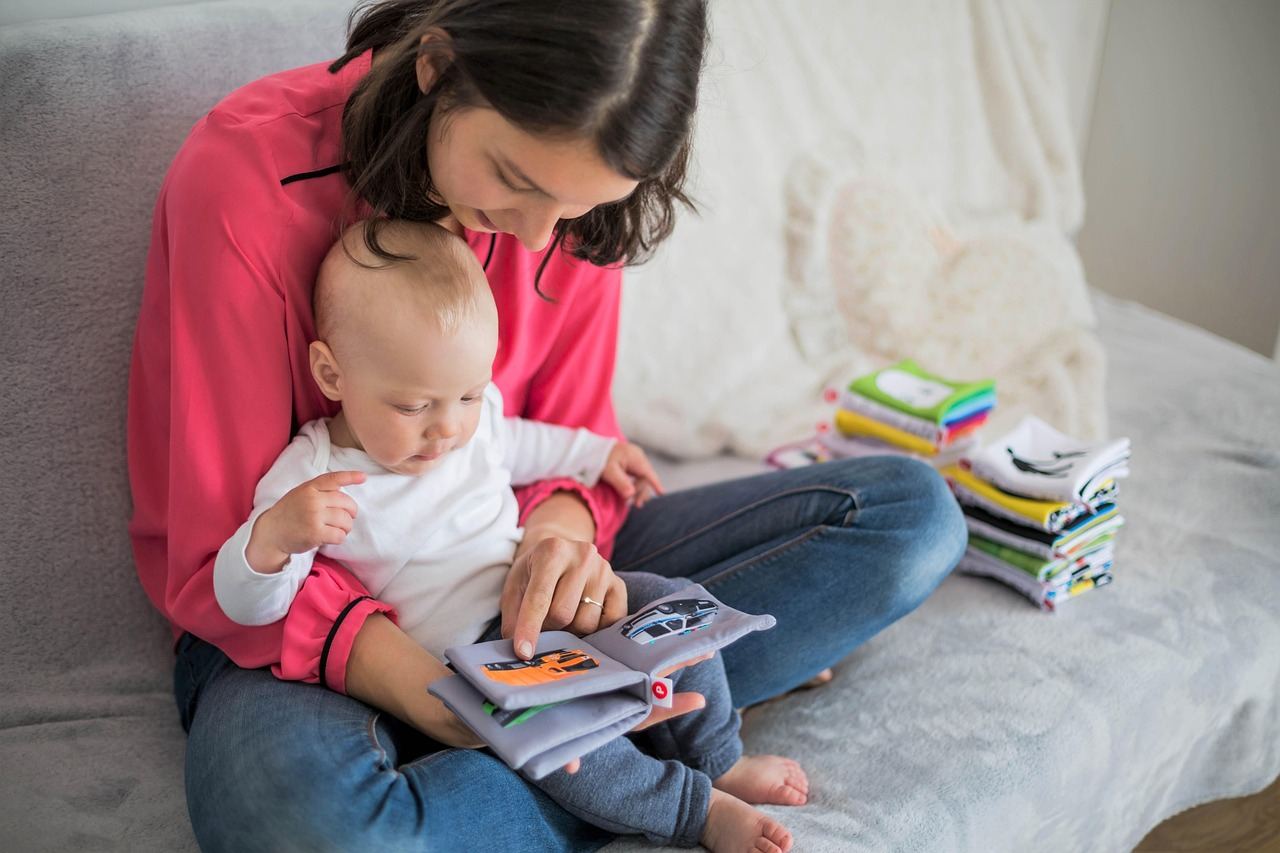
Learning does not have to look like school. The June 2023 news report quoted a university dean who said a hike can involve planning a route, reading a map, deciding what to pack and preparing for the weather, all of which sharpen kids’ thinking skills, as reported by Yahoo News Canada.
The same article suggests several simple shared activities:
- Reading a book, then watching the movie and comparing the two.
- Visiting the public library, which one educator called a major resource against summer learning loss.
- Doing arts and crafts together.
- Visiting museums on low-cost or free days.
Your child’s teacher can help too. The article describes the teacher as one of the biggest resources, because they know students well after a year together and can say where a child is in their learning.
Families of children who need extra support may also want to read about afterschool programs for kids with special needs.
How much structured time is enough?
One family guide says many education experts recommend limiting formal academic work to 20 to 45 minutes per day for elementary and middle school students during summer. The figure appears in Private School Review’s May 2026 update and is a rule of thumb, not a requirement.
A balanced day can include:
- Daily reading time.
- A short review session in a weaker subject, if your child wants one.
- A creative project.
- Outdoor time.
- Plenty of unscheduled downtime.
That guide also argues that downtime belongs in the plan, since the aim is for learning to stay part of daily life without burnout. If a child pushes back, shrink the task and keep the habit.
When does a summer program make sense?
Some families want more structure than home activities provide. RAND’s 2011 research found that students gain the most when summer programs include individualized instruction, parental involvement and small class sizes, and it noted that many programs suffer from low attendance, per the RAND release.
RAND also noted that community-based organizations often offer enrichment similar to what middle-income youth experience in summer, such as kayaking or chess, which encourages children to enrol and attend. A useful program has goals beyond keeping kids occupied, as the June 2023 article put it. The guide on questions to ask an afterschool program offers a starting point for comparing goals, staffing and cost.
Cost is a common barrier. The same news article says some families write off summer activities because of cost without realising that scholarships are available, and it reported that many public schools were using federal pandemic-recovery money to run free summer programs, as of its June 2023 date, at Yahoo News Canada. Ask programs about financial assistance before ruling them out.
RAND added that there are more than 100 funding sources that can support summer learning programs, which is one reason local options may exist even where budgets are tight.
Frequently asked questions
Do kids really need to study over summer?
Show answer
Not necessarily in a formal way. The June 2023 news article quotes an educator who says any engaging activity that promotes overall development, such as travel, arts or athletics, helps build skills, per Yahoo News Canada.
How much time should we spend each day?
Show answer
One family guide cites a common recommendation of 20 to 45 minutes of formal academic work per day for elementary and middle school students, as noted by Private School Review. Reading and everyday activities can sit on top of that.
Is summer learning loss the same for every child?
Show answer
No. Measuring it is complicated, and a literacy publisher’s review says learning rates are more variable during the summer than during the school year, according to its research summary. RAND’s release adds that the cumulative loss widens the achievement gap between low- and upper-income students, per RAND.
What if summer programs cost too much?
Show answer
Ask about scholarships and financial aid, and consider your child’s school counselor, who can talk about opportunities in your area, according to the June 2023 news article. Free library programs and home activities cost little.