
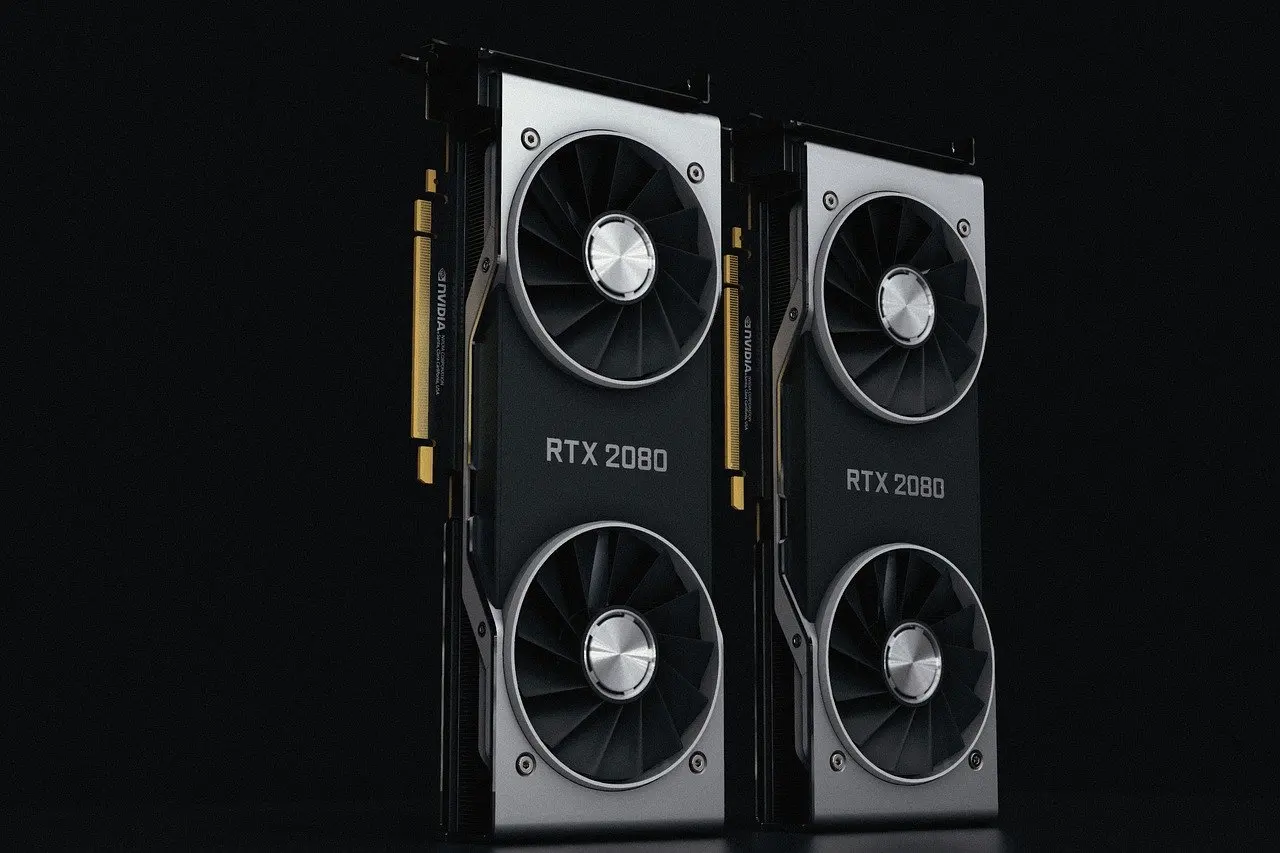
The geekgadget pc brigade is the PC-focused section of the GeekGadget gaming and tech blog, not a product you can buy. The site’s own “PC Brigade” post even says no major manufacturer uses that name. This review looks at what the section publishes, what it does reasonably well and where it falls short.
| What is PC Brigade? | A menu section on geekgadget.net for PC builds, graphics cards and peripherals |
| Is it a product? | No; a site post says no major maker uses that exact product name |
| Strongest point | Clear section structure and named founders |
| Weakest point | Front-page items under the label often stray from PC hardware |
| Any test data shown? | None seen in the pages read |
| How do readers reach the team? | An email address and a form on the “Contact the Crew” page |
What does the GeekGadget PC Brigade section promise?
The About page spells out the promise. “PC Brigade” is described as the place for DIY builds, graphics-card deep dives, optimisation tricks and peripheral overviews, aimed at helping a reader make a PC perform and feel personal. Alongside it sit Mac Madness for Apple hardware and software workflows, and Latest Gaming for console, PC and indie releases. The site’s banner line adds playful names for each audience: Nintendo Ninja, Playstation Playas and Xbox Boys.
The page then says each post is written with the reader in mind, without jargon overload or assumed expertise. As a brief for a hobbyist blog, that is a sensible one.
What does geekgadget do well?
Three things stand out. First, the structure is easy to follow: the menu matches the promised sections, and the About page explains each one in a sentence or two. A reader knows within a minute where PC content should be.
Second, the site names people. George Shaw is introduced as founder with a taste for PlayStation and Nintendo, and Luke Best as co-founder with an interest in Xbox gear. Few small blogs give even that much. Third, the contact page is straightforward: an email address and a form, plus a postal address in the footer, “6290 Mylarithis Drive Zynarion, MS 19482”. The team invites readers to tell them what they think and says it will reply as soon as it can.
Where does the PC Brigade coverage fall short?
The gap between promise and page is the main weakness. When the front page was read, the block headed “PC Brigade” held items by two bylines on subjects far from custom PCs; they concerned online gaming platforms, promotions and payment technology, and are not summarised here. A reader who clicked in expecting a graphics-card comparison would not have found one in that block.
Elsewhere the Editor’s Pick list does include build-oriented titles, among them a guide to custom PCs, mods and community and a budget gaming build, each with “2026” in the title. These headlines mirror the way many search-driven pages name themselves, with the brand repeated and a year added, which makes it hard to tell a considered review from a template.
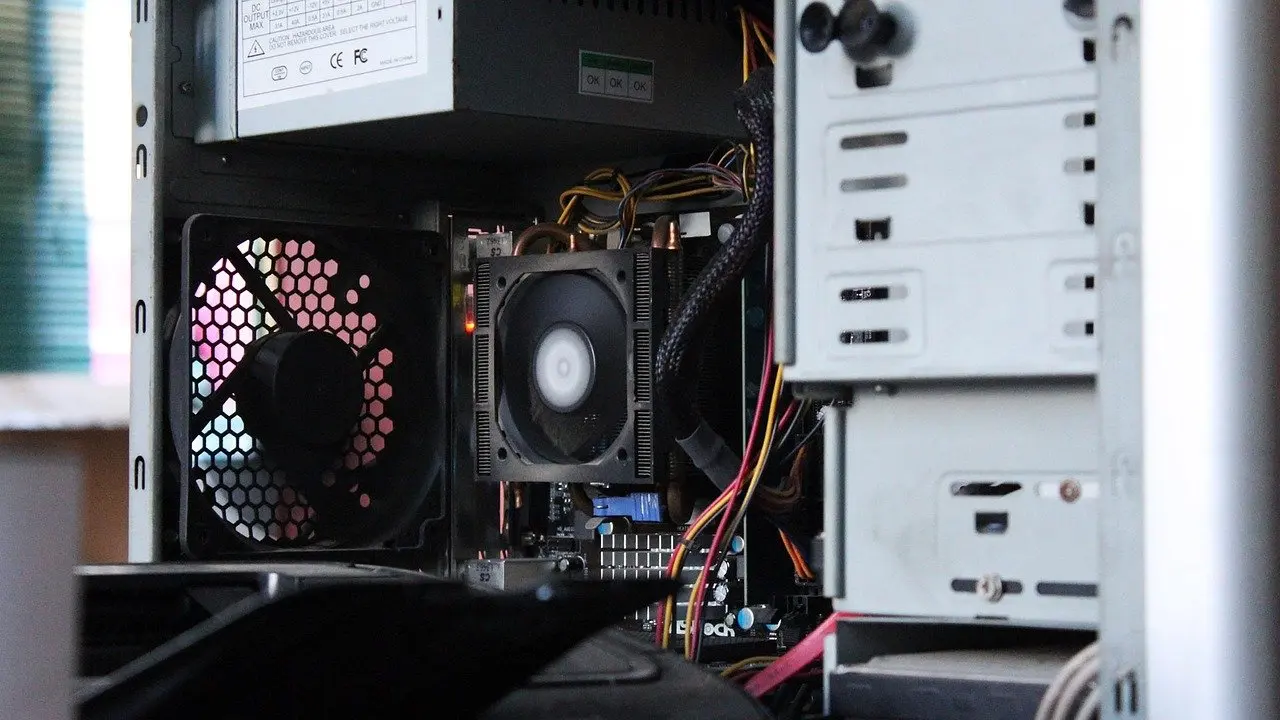
How does the PC Brigade GeekGadget mini-PC post read?
The clearest PC Brigade item is a post dated July 6, 2026, titled “PC Brigade’s GeekGadget Reviewed (2026): A Practical Mini-PC For Home DIYers”, written by Pryndorin Zorlik and marked as a three-minute read. Searchers who type pc brigade geekgadget often land on pages like this one, so its content matters.
The post does something unusual: it admits uncertainty. It says the name appears to belong to a small online gadget brand, that observers find no major manufacturer using that exact product name, and that the brand seems to come from private-label sellers or niche retailers. It then treats the phrase as a category label for compact mini-PCs and gives buying tips: recent Intel Core i5 or i7 or AMD Ryzen 5 or 7 processors, 16 GB of memory, at least a 512 GB NVMe drive, Wi-Fi 6 and tool-less access for upgrades, plus a reminder to verify the seller, the warranty and the exact specifications.

The honesty about the name is a point in its favour, and the checklist is sound as general advice. The weakness is that it reviews a product it cannot identify. No model number, price, benchmark or photograph of a tested unit is offered, so the headline’s word “Reviewed” promises more than the text delivers.
Is the geekgadget crew writing from hands-on testing?
The About page says the team of writers meticulously researches and reviews games across various genres. It does not say how, and none of the pages read shows test conditions, scores or dated hands-on notes. Writer names on the front page, such as Prynthoria Kryvak and Pryndorin Zorlik, are not introduced anywhere on the About page, which names only the two founders.
That leaves a reader to treat the output as general-interest tech writing. For purchases, compare against independent lab reviews, the maker’s own spec sheet and the seller’s return policy.
What would make the geekgadget PC Brigade section better?
A few changes would close most of the gap. Keep the PC Brigade label for PC content only, so the front-page block matches the About page. Put a model name, a price and a dated test note in any post that carries the word “reviewed”. Introduce every byline with a short profile, so readers know who wrote a given buying guide. And add a visible update date to each post, because spec advice about processors and drives ages within a year.
None of these changes needs new resources. They are choices about labelling and detail, and several of them are already visible in the best items on the site, such as the mini-PC post’s frank statement about the product name.
Questions about geekgadget and its PC Brigade
Is geekgadget.net a store?
Nothing read shows a shop, a basket or prices. It is an article site, and the mini-PC post tells buyers to check sellers, which implies the products are sold elsewhere.
Who runs the site?
The About page names George Shaw as founder and Luke Best as co-founder. No company name or founding year is given.
Can you trust the PC Brigade buying tips?
The specification checklist is generic and sensible, but it is not backed by test data. Use it as a starting list and confirm details with the maker.
How do you contact the crew?
Use the form or the masked email address on the Contact the Crew page. No phone number or reply time is listed.