
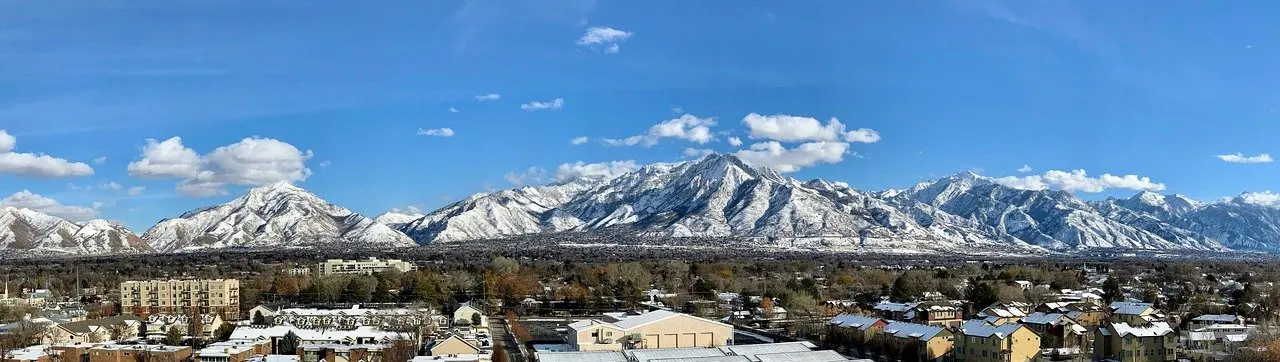
8014137200 is a ten-digit North American phone number whose first three digits, 801, point to the Salt Lake City region of northern Utah. No owner is confirmed for it here, so the sensible first move is to record what reached you, search the digits in a few written forms, and hold off on calling back.
| The number as written | 8014137200, also (801) 413-7200 and +1 801 413 7200 |
| Country code | +1, shared by the United States, Canada and several Caribbean nations |
| Area code | 801, historically the Salt Lake City area of Utah |
| Toll-free? | No, it follows the geographic pattern |
| Owner | Not named or confirmed on this page |
| Best first step | Search the digits and check your own call log before responding |
Reading 8014137200 one piece at a time
A North American number is built from three parts, and once you can see them, a string of digits like 8014137200 stops looking like a random code. The first three digits are the area code. The next three are the exchange, sometimes called the central office code. The last four are the line number.
Here that gives 801 for the area code, 413 for the exchange and 7200 for the line. Written with punctuation it becomes (801) 413-7200, and in the international style it becomes +1 801 413 7200, where the leading +1 is the country code. All four spellings point to the same ten digits, which matters later when you search, because a web page might print any one of them.
The exchange and line digits used to say something about a particular telephone building and a particular copper wire. Today they say very little. Numbers are ported between carriers, moved onto mobile plans and rented out through internet phone services, so the middle and last digits cannot tell you who is holding the line this week.
Why a call or text from (801) 413-7200 may have reached you
People usually look up a number like this because something landed on their screen: a missed call with no message, a voicemail asking for someone they have never heard of, a text with a link, or a scribbled entry in an old notebook. The reasons behind such contacts are mostly ordinary. Someone may have dialled a wrong digit. A business may be returning a call you forgot you made. A number may have been reassigned, so the person ringing is chasing the previous holder.
Less ordinary reasons exist too. Automated dialling systems place huge volumes of calls and sometimes borrow or imitate numbers so that the display looks local. A call that appears to come from 8014137200 might therefore have started elsewhere. This page does not claim that is the case here. It only explains why the number on the screen is a starting point for questions, not an answer.
What the 801 area code does and does not tell you
The 801 code is one of the older geographic codes in the system and has long been tied to the Salt Lake City area in northern Utah. A newer overlay code, 385, now shares the same territory, which is why people in the region can have either. When a ten-digit number begins with 801, the most it suggests is that the line was originally set up somewhere in that part of Utah.
It does not suggest the caller is nearby today. Mobile numbers follow people when they move, and a person who relocated years ago may still carry an 801 number. Companies with internet phone systems can also choose numbers from nearly any area code to appear local to the people they dial. So the code counts only as a loose clue, and it should never be the reason you trust or distrust a contact.
Mix-ups that surround 8014137200
Most confusion about unknown numbers comes from a handful of repeat patterns. Knowing them can save you a lot of worry.

- Caller ID spoofing. The number displayed can be set by the sender. If you are told you called someone who never rang you, spoofing is one explanation.
- Reassigned numbers. When a line is abandoned, it can be handed to a new customer. Old contact lists and old web pages may still attach it to the earlier holder.
- Lookalike digits. Transposing two digits turns one number into a different one, so double-check that the number in your log really matches 801-413-7200.
- Shared lines. Offices, clinics and call centres sometimes place calls from a pool of numbers, so a return call may reach a general queue.
None of these confirms who is behind 8014137200. They show why a lookup result that sounds certain deserves some doubt.
How to check 801-413-7200 without calling it
You can learn a fair amount without dialling at all. Begin with your own device: search your contacts, your messages and your email for the digits, since the number might belong to a pharmacy, school or delivery firm you have dealt with before. Then search the open web using each written form in quotation marks, so the engine looks for the exact string: 8014137200, 801-413-7200, (801) 413-7200 and +1 801 413 7200.
Read results sceptically. A page that prints the number as its own contact line is more meaningful than a comment from a stranger. Paid lookup sites that promise a name and address should be treated with caution, because their data can be stale or mismatched. If nothing turns up, that tells you only that nothing turned up.
When a message names an organisation, go the other way round. Find that organisation’s number on its official website, a printed statement or the back of a card, and phone that instead. Ask whether they tried to reach you. This one habit defeats most impersonation attempts, because it puts you in control of which line you dial.
Handling a voicemail or text tied to 8014137200
A voicemail can be replayed, so listen once for content and a second time for details such as names, reference numbers and the exact request. A text should be screenshotted before you do anything else. Do not tap links in a message from a number you cannot place, and do not reply even with a polite refusal, since a reply can confirm that the line is active.
Some patterns call for extra care in any message, whatever number it comes from: pressure to act within minutes, requests for gift cards or transfers, anyone asking for a one-time code sent to your phone, offers to fix a problem on your computer remotely, and warnings that you must verify an account immediately. Real organisations rarely demand any of these in an unsolicited call.
Blocking and reporting a number like 8014137200
On an iPhone, open Recents, tap the information button beside the number and choose Block this Caller. On Android, press and hold the entry in your call history and choose Block or Report spam. Your carrier may also offer a free spam-filtering service, and both phone systems let you silence unknown callers altogether. Blocks can be undone from settings.
If an unwanted call or text seemed deceptive, you can report it. In the United States the Federal Trade Commission takes complaints about unwanted calls and fraud, and in Canada the Canadian Anti-Fraud Centre does the same. Include the date, the time and the wording. A report does not prove anything about the number, but patterns across many reports help investigators.
Questions people ask about 8014137200
Is 8014137200 a business or a person?
That cannot be established from the digits. Ten digits do not reveal whether a line is a household, a mobile, a shop or a call centre, and no owner is confirmed on this page.
Should I call 8014137200 back?
Not straight away. Check your own records and the digits in a search first. If a real organisation contacted you, use a number you found on its official site.
What if I already shared personal details?
Contact the bank, card issuer or service involved through an official number, explain exactly what you passed on, and change the passwords on any account affected.
Does an 801 code mean the caller is in Utah?
Only that the line was probably first assigned there. People move and companies choose numbers, so the person ringing could be anywhere.